
Many residents in the city-state are curious about solar energy but remain hesitant because of mixed information, outdated assumptions, and uncertainty about costs. While sustainability has become a national priority, myths still continue to influence how households view the shift from traditional energy sources to solar.
Discover the most common misconceptions about solar power in Singapore and how each electricity provider is addressing these concerns to make renewable energy more accessible.
Misconception 1: Solar Power Is Not Efficient in a Small Country Like Singapore
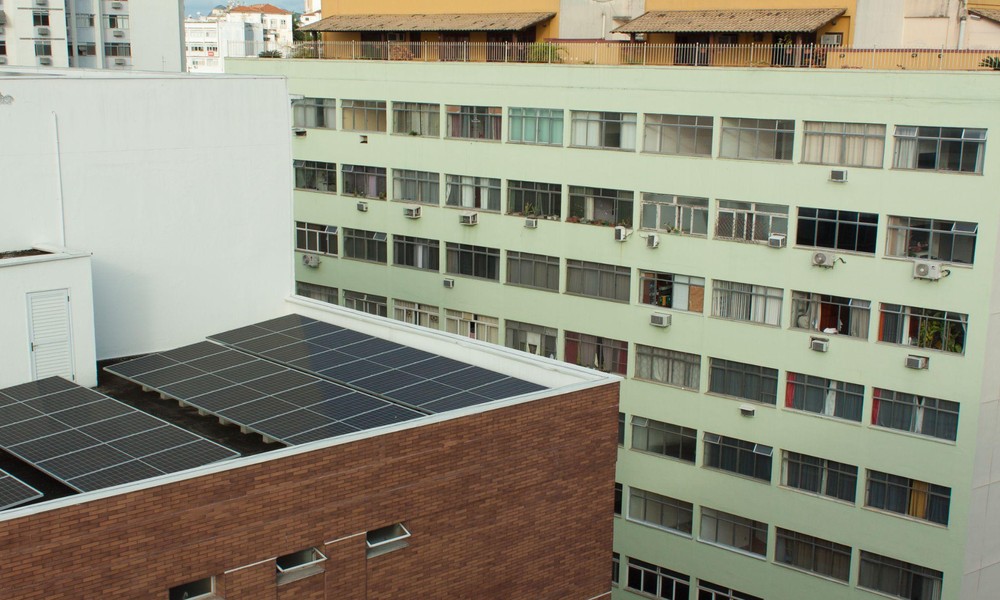
A frequent misconception is that the city-state’s limited land area prevents solar technology from being effective. While the country lacks wide open spaces, efficiency does not depend on land size alone. Solar technology has become compact, adaptable, and capable of being installed on rooftops, sheltered walkways, reservoirs, and industrial buildings. Providers now invest in advanced photovoltaic systems that generate high output even in urban settings. Many electricity companies also collaborate with government-led solar initiatives, encouraging residents and businesses to draw power from distributed solar sources rather than depending solely on ground installations.
Misconception 2: Solar Energy Cannot Be Affordable for the Average Household
Another common belief is that solar power is too expensive for regular homeowners or HDB dwellers. However, the cost of renewable energy has decreased significantly in recent years due to better technology and increased competition among providers. Today, several electricity plans incorporate solar-generated electricity without requiring households to install their own panels. This approach allows homeowners to support clean energy at competitive rates. Some providers offer blended plans where a fixed percentage of the electricity comes from solar sources, making renewable energy more accessible without requiring major lifestyle changes.
Misconception 3: Solar Power Only Works in Private Homes, Not HDB Flats
Many people assume that HDB residents are excluded from solar programmes because they cannot install panels individually. In reality, HDB blocks across the region already have solar panels installed under nationwide initiatives. These panels supply energy back to the grid, helping to reduce public electricity costs and support local sustainability goals. Households can choose plans from an electricity provider in Singapore that taps into these renewable sources. Providers are also educating customers on how solar-contributed electricity helps stabilise prices and diversify Singapore’s energy mix.
Misconception 4: Solar Power Cannot Be Reliable Due to Cloudy Weather
The misconception that solar energy is unreliable in cloudy or rainy conditions persists. While output decreases on overcast days, modern solar systems are designed to store surplus energy and perform efficiently under varying weather conditions. Providers address this concern by offering plans backed by both solar and traditional grid electricity, ensuring stability. They also publish transparency reports on solar output and grid capabilities so consumers can better understand how reliability is maintained throughout the year.
How Electricity Providers Are Addressing These Misconceptions
Electricity providers are responding to consumer concerns with clearer communication, wider plan options, and better access to renewable energy sources. Many now offer tariff plans backed by solar farms across the city-state and the region, giving households the option to support cleaner energy without installation costs. Providers are also investing in digital tools that show consumers their energy consumption patterns and the portion contributed by solar power. Educational campaigns, webinars, and sustainability roadmaps are becoming standard as companies aim to simplify renewable energy adoption and counter outdated assumptions.
Conclusion
Solar power in Singapore is becoming more practical, affordable, and accessible than many residents realise, but common myths continue to slow adoption. Providers are stepping in to clarify these misunderstandings and offer flexible plans that integrate solar energy into daily household use. While renewable energy becomes a core part of the national strategy, the shift towards solar will rely not only on technology but also on clear guidance from each electricity provider, helping consumers make informed decisions about cleaner sources of energy.
Visit Flo and choose a cleaner, more cost-efficient energy future for your home today.