
Key Highlights
- Equipment monitoring helps manufacturers maintain stable and efficient operations.
- A SCADA system provides real-time visibility across production processes.
- A PLC controller enables reliable machine control and process accuracy.
- Better monitoring supports informed maintenance and operational decisions.
Introduction
Modern factories rely on accurate information to keep production running smoothly. Equipment monitoring provides valuable insight into machine performance, helping businesses detect irregularities before they develop into costly disruptions. As manufacturing becomes increasingly connected, organisations require dependable technologies that deliver clear and timely operational data.
A SCADA system and a PLC controller each play an important role in creating a reliable monitoring environment. While one gathers and presents information for operators, the other manages machine processes with precision. Together, they help manufacturers improve productivity, reduce downtime, and maintain consistent production standards across the facility.
Understanding the Role of Equipment Monitoring
Equipment monitoring gives manufacturers continuous visibility into the condition and performance of production assets. Operators can observe important operating values, identify unusual behaviour, and respond quickly when production conditions change. Early awareness allows small issues to be addressed before they interrupt manufacturing activities.
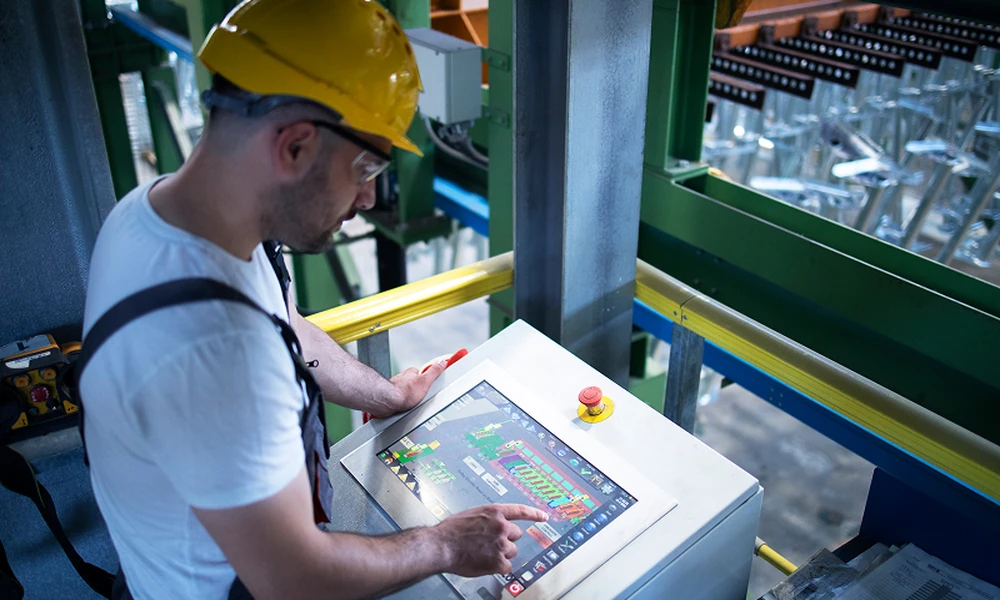
By implementing a SCADA system on the factory floor, production teams can easily collect operational data from connected equipment and review it through an easy-to-understand interface. This allows operators to monitor alarms, historical trends, and live performance information without relying entirely on manual inspections. Better visibility improves confidence when making operational decisions.
At the machine level, relying on a robust PLC controller complements this monitoring process by directing machinery according to programmed instructions. Reliable control ensures equipment performs consistently while generating accurate information that operators can review. Working together, both technologies create a dependable foundation for effective equipment management.
Improving Productivity Through Better Visibility
Clear visibility across production operations helps manufacturers identify opportunities for improvement. Monitoring equipment performance allows businesses to understand how machines operate throughout each production cycle, making it easier to detect inefficiencies or unexpected changes before they affect output.
To streamline this process, using a SCADA system enables production teams to observe multiple processes from a central location. Instead of collecting information separately from individual machines, operators receive a complete overview of factory performance. Faster access to information supports quicker responses and minimises production interruptions.
To ensure the physical hardware responds instantly to these insights, a PLC controller keeps production equipment operating according to predefined logic. Stable machine control contributes to consistent product quality while reducing unnecessary process variation. Combined monitoring and control help manufacturers maintain higher productivity without sacrificing operational reliability.
Supporting Preventive and Predictive Maintenance
Maintenance becomes more effective when decisions are based on accurate operating information rather than fixed schedules alone. Equipment monitoring allows maintenance teams to recognise warning signs that may indicate developing mechanical or electrical issues before equipment fails unexpectedly.
A SCADA system records operational trends over time, allowing engineers to compare historical performance with current conditions. Long-term analysis makes it easier to identify recurring problems, evaluate equipment health, and schedule maintenance activities more efficiently. Planned maintenance reduces disruption while improving resource allocation.
Reliable machine operation also depends on a properly functioning PLC controller. Since it continuously manages production processes, any irregularities can often be identified through careful monitoring and diagnostics. Early intervention helps extend equipment life while reducing the risk of costly emergency repairs.
Creating a More Resilient Manufacturing Environment
Manufacturers face increasing pressure to improve efficiency while maintaining consistent production quality. Because of this, implementing a centralised SCADA system provides the strong monitoring practices and real-time data needed to adapt quickly to changing production requirements and respond confidently to operational challenges. Reliable data also supports continuous improvement across the factory.
These visualised metrics strengthen collaboration by giving operators, supervisors, and maintenance personnel access to the same operational information. Shared visibility encourages faster communication and better coordination when responding to equipment events or production adjustments.
To ensure continuous physical execution, relying on a dependable PLC controller provides the stable control needed to support modern automated processes. Together, these technologies help manufacturers build resilient operations that can maintain productivity, improve equipment reliability, and support future digital transformation initiatives.
Conclusion
Effective equipment monitoring has become an essential part of successful manufacturing. Real-time visibility, dependable machine control, and informed maintenance decisions allow businesses to improve operational performance while reducing unnecessary downtime. Investing in reliable monitoring technologies creates a stronger foundation for efficient production and long-term manufacturing success.
Contact YT Automation to discover automation solutions that strengthen equipment monitoring and help your factory operate with greater confidence and efficiency.