
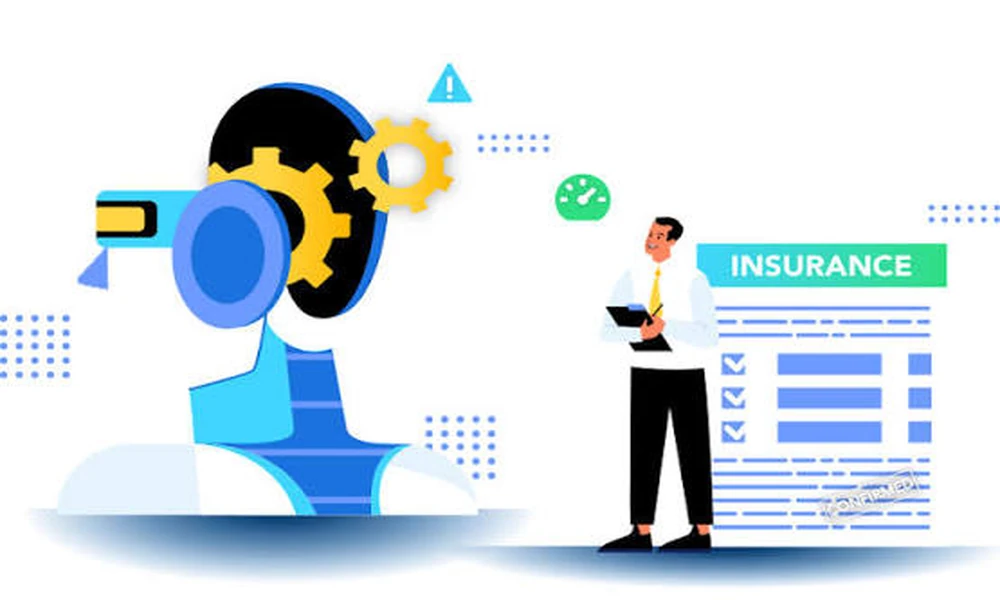
The customer makes an insurance claim. An agent reviews the details. A claims team reviews the documentation. Then the waiting begins.
It means tons of paperwork and repetitive tasks for most insurers. Generative AI in insurance provides a pathway to accelerate some of that work, allowing employees to focus on the decisions requiring human judgment.
It’s not about replacing every insurance professional with tech. It should be about how people get work done.
Focus in the Work Not the Technology
Generating AI works best by asking a single question: What takes you too long but needs to get done?
In insurance, these may include:
- Summarizing customer conversations
- Drafting policy explanations
- Organizing claim information
- Creating internal reports
- Answering common customer questions
- Reviewing large amounts of text
Doing these tasks in a manual fashion takes hours. AI can help you prep that first draft or organize that information so that employees can spend more time on the complex cases.
A Claim Can Show the Value
For example, suppose a customer tries to claim a car accident.
Having assigned an AI tool to summarize the provided information, identify missing components, and draft a claim presentation for the claims professional.
The employee is still going through the data and making the right decision. What the AI does is reduce a lot of the grunt work.
This is one case study example of generative AI. It aids the process but does not eliminate human supervision around it.
What About Customer Service?
Insurance buyers typically seek answers about coverage limits, deductibles, and claims. Sometimes it takes time to find clear answers.
Unleashing the power of generative AI to equip customer service teams with faster and more consistent responses. It may also help you compose explanations in simpler terms.
An agent, for example, may turn a technical explanation of the policy into customer-friendly terms with the help of AI.
This of course does not mean send all answers automatically. Insurance info also needs to be accurate and relevant with respect to the reality of customers.
The Risks Insurers Must Consider
Generative AI is very useful, but it is not flawless. It can give wrong information or misinterpret the request of a customer.
Insurance companies also manage private and financial data. That is why privacy, security, and data handling have never been more important than with your supply chain.
These are some of the considerations that carriers should evaluate before deciding to submit to AI benefits:
- Accuracy: Are the outputs verified by subject-matter experts?
- Privacy: Is customer data going to be handled in a secure manner?
- Transparency: Are the customers aware of how AI is utilized?
- Accountability: Who has the final call?
Such measures aim to ensure that generative AI in insurance is well adopted.
The Future of Insurance Work
The most useful AI systems will not merely generate more content. They will enable employees to perform tasks with greater information depth and lower operational redundancy.
For insurers, that translates into faster service and operations, and extra time they can spend on complex customer needs.
The opportunity lies not in taking the human component out of insurance. It is to make insurance professionals better equipped to do their work.