
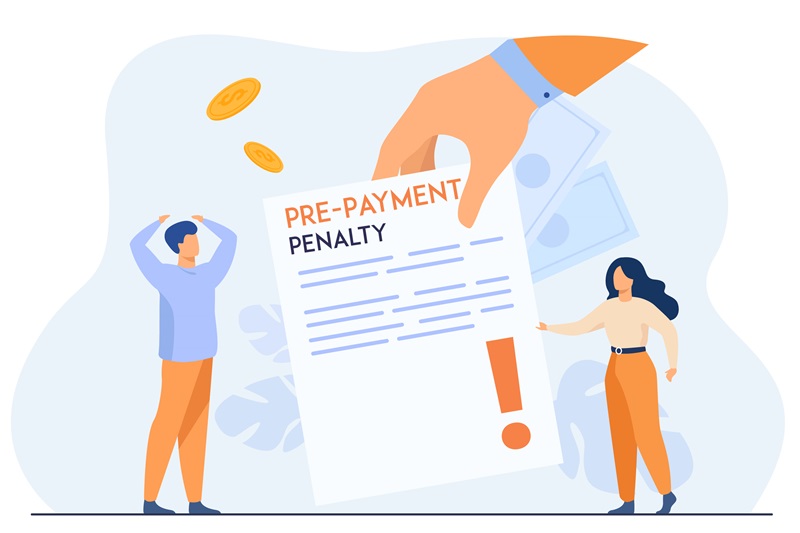
Farm mortgage loans for large land-backed transactions often present a tradeoff between early repayment costs and contract flexibility. Prepayment penalties and lockout periods can increase the true cost of refinancing or selling farmland before the loan matures, sometimes tying up capital longer than planned.
Flexibility clauses, such as release, substitution, or assumption rights, can reduce these risks but are not standard in every contract. Buyers and investors focused on agricultural real estate need to evaluate these terms closely to avoid unexpected fees and ensure their loan structure supports future land strategies.
Understanding Common Prepayment Penalties in Farm Mortgage Loans
Farm mortgage loans in Washington often include several types of prepayment penalties. Fixed penalties set a specific dollar amount or percentage that must be paid if the loan is settled early. Declining penalties start higher and shrink over the years, which means the longer the loan is held, the less it costs to exit early.
Yield maintenance penalties are based on how much the lender could lose in future interest, often making them the most expensive for borrowers who pay off the loan when market rates fall. These charges can be triggered by a sale, refinance, or even a partial paydown, depending on the contract. Is there a risk of paying more than expected? Yes, especially if the penalty clause applies to all early payments, not just full payoff. Reviewing these terms helps forecast the true cost of early exit and supports better decisions on a loan for farm land purchase.
How Lockout Periods Can Limit Early Sale or Refinancing Options
Lockout periods in farm mortgage loans can have a direct impact on the timing and cost of selling or refinancing farmland.
- A lockout period is a set time during which the loan cannot be paid off early, regardless of the borrower’s circumstances. This restriction means a buyer must wait until the period ends before considering an early sale or refinance, even if a better rate or offer appears.
- Not all lockout terms are the same, and some may also limit partial paydowns or restrict refinancing with another lender. The length of these periods varies, but strict clauses can tie up capital and flexibility for several years, which can affect long-term plans.
- If a loan includes both a lockout period and prepayment penalties, the total exit cost can increase. Planning for future refinancing or sale should involve careful review of these terms to avoid unwanted delays or financial surprises.
Key Flexibility Clauses: Release, Substitution, and Assumption Rights
Many farm mortgage loans include flexibility clauses that can help reduce exit costs or delays if property needs or ownership plans change.
- A release clause allows for part of the land to be sold or transferred without requiring the entire loan to be paid off. This can be helpful if only a section of the property will be sold, letting the rest remain as collateral for the loan.
- A substitution clause gives the option to swap out pledged land with other qualifying property as collateral, subject to lender approval. This can support future plans to sell or develop part of the original property while keeping the loan in place.
- Assumption rights permit a qualified buyer to take over the existing loan under its current terms, which can make the property easier to sell if market rates have increased. Not all farm mortgage contracts include this feature, and lender approval is usually required.
- Each of these clauses may be subject to lender restrictions or fees, and the terms can vary by state and lender. Reviewing the fine print for these rights is a key step before finalizing any loan for farm land purchase.
Negotiation Tips: Securing More Flexible Farm Land Loan Terms
Securing more flexible terms in a loan for farm land purchase often comes down to the details negotiated before signing the contract.
- One effective approach is to request the removal or reduction of prepayment penalties. Borrowers can propose a lower fixed percentage, a declining penalty over time, or seek to limit the penalty to full payoffs rather than partial payments.
- Another strategy is to negotiate for shorter or less restrictive lockout periods. Lenders may agree to a reduced lockout term, which can provide earlier opportunities to refinance or sell without triggering extra costs.
- Adding or customizing flexibility clauses, such as release or substitution rights, can also be valuable. These clauses allow for the sale of part of the land or swapping collateral with lender approval, supporting long-term property plans.
- Finally, buyers may benefit from clarifying the exact trigger events for penalties and fees. Ensuring the contract spells out when charges apply helps forecast future costs and avoids surprises during a sale or refinance.
Several contract features affect future refinancing or sale of farm land. Fixed, declining, and yield maintenance penalties may add substantial cost if a loan is paid off before maturity. Lockout periods restrict early exits for a set number of years, limiting flexibility even if a better offer appears.
Flexibility clauses, such as release, substitution, or assumption rights, can reduce exit barriers but depend on lender approval and contract terms. Each of these terms varies by lender and state, so buyers need to review them closely when structuring a loan for a farm land purchase.
Understanding these details helps forecast actual exit costs and supports stronger negotiation for better terms.