
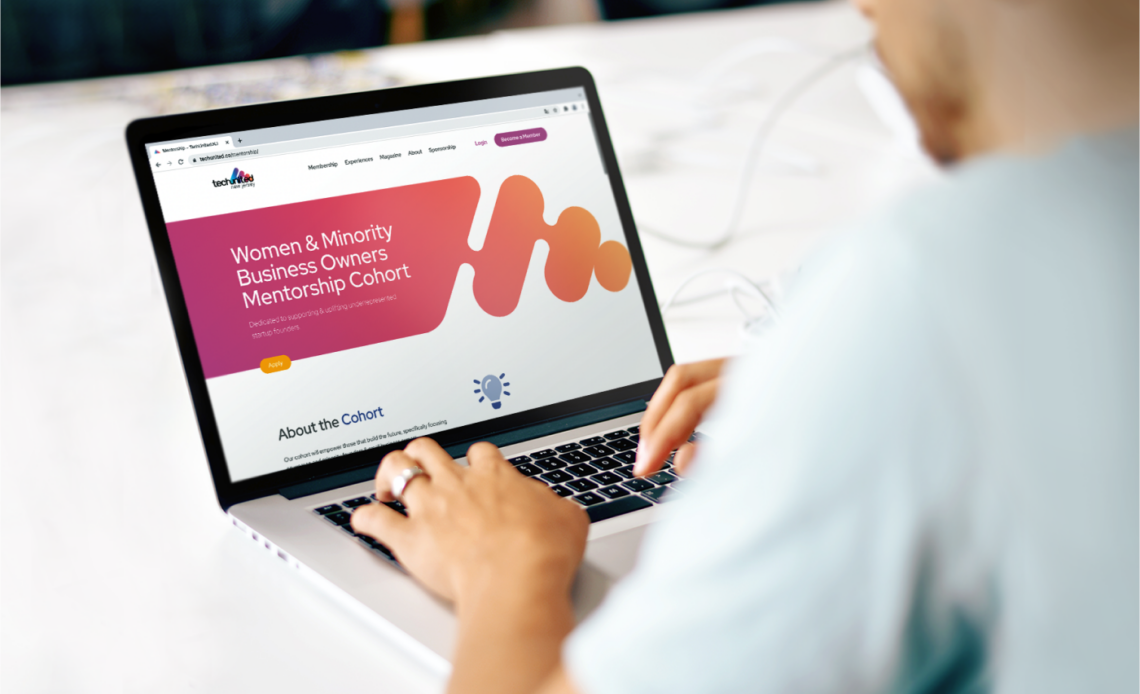
In today’s digital-first economy, your website often provides the first impression potential customers have of your business. Within seconds of landing on your site, visitors form judgements about your credibility, professionalism, and trustworthiness. A poorly designed website drives customers away before they’ve even learned what you offer, whilst a thoughtfully crafted digital presence builds confidence and encourages engagement. For Ayrshire businesses competing in increasingly crowded markets, investing in quality web design isn’t a luxury, it’s a strategic necessity that directly impacts revenue and growth.
The Business Impact of Professional Web Design
First Impressions and Brand Perception
Your website serves as your digital headquarters, open twenty-four hours every day. It communicates your brand values, showcases your expertise, and establishes market positioning without requiring human interaction. A professional, modern website signals that you’re a serious, established business, whilst outdated or poorly functioning sites suggest neglect or incompetence. Studies consistently show that users judge website credibility within milliseconds, making design quality absolutely critical to business success.
Conversion and Customer Acquisition
Beyond aesthetics, effective web design drives measurable business outcomes. Well-designed websites guide visitors naturally through the customer journey, making it easy to find information, understand your offerings, and take action. Strategic placement of contact forms, clear calls-to-action, and intuitive navigation dramatically improve conversion rates. Ayrshire businesses investing in Web Design Ayrshire services report significant increases in enquiries, bookings, and sales compared to competitors with outdated or poorly structured websites.
Essential Elements of Effective Web Design
Responsive and Mobile-First Design
Over sixty percent of web traffic now originates from mobile devices, yet many businesses still prioritise desktop experiences. Modern web design begins with mobile optimisation, ensuring your site functions flawlessly on smartphones and tablets. Responsive design automatically adjusts layout, images, and functionality to suit any screen size, providing seamless experiences across all devices. Google’s search algorithms heavily favour mobile-friendly sites, making responsive design essential for both user satisfaction and search visibility.
Speed and Performance Optimisation
Website speed directly impacts user experience and search rankings. Visitors expect pages to load within two to three seconds; delays lead to frustration and abandoned visits. Professional web design incorporates optimisation techniques like image compression, efficient coding, caching strategies, and content delivery networks to ensure lightning-fast loading. Beyond user experience, fast websites rank higher in search results, creating a virtuous cycle where performance improvements drive both traffic and conversions.
Clear Information Architecture and Navigation
Visitors should intuitively understand how to find what they’re seeking. Effective web design creates logical information hierarchies, uses descriptive menu labels, and minimises the clicks required to reach key pages. Search functionality helps users locate specific content quickly. When navigation feels intuitive rather than confusing, visitors spend more time exploring your site and are more likely to take desired actions.
Trust Signals and Professional Credibility
Effective websites include elements that build visitor confidence. Client testimonials, case studies, professional photography, security badges, transparent contact information, and clear privacy policies all communicate that your business is legitimate and trustworthy. Professional design combined with genuine social proof transforms casual browsers into qualified leads and customers.
Key Design Principles for Business Success
Visual Hierarchy and Content Focus
Effective design guides attention toward your most important messages. Strategic use of size, colour, spacing, and typography creates visual hierarchy that helps visitors understand what matters most. Rather than cluttering pages with excessive information, professional design presents content progressively, allowing visitors to explore deeper based on their interests.
Brand Consistency and Recognition
Your website should reflect your brand identity consistently across all pages. Consistent use of colours, fonts, imagery style, and messaging builds recognition and reinforces brand positioning. When visitors encounter consistent branding across your website, social media, and marketing materials, it strengthens their perception of your business as professional and established.
Accessibility and Inclusive Design
Professional websites remain accessible to all visitors, including those with disabilities. This means using sufficient colour contrast, providing alternative text for images, ensuring keyboard navigation works properly, and following accessibility guidelines. Inclusive design expands your potential customer base whilst demonstrating that your business values all visitors.
Frequently Asked Questions
How much does professional web design typically cost?
Web design costs vary dramatically based on complexity, features, and customisation level. A basic informational website for small businesses typically ranges from £1,500 to £4,000. E-commerce sites with product databases and payment integration cost significantly more, ranging from £5,000 to £15,000 or beyond. Rather than viewing design as an expense, consider it an investment generating returns through increased enquiries, conversions, and customer lifetime value.
How long does web design take?
Timeline depends on project scope, complexity, and feedback turnaround. A straightforward business website typically takes six to twelve weeks from initial brief to launch. More complex projects involving e-commerce functionality, custom integrations, or extensive content development require longer timelines. Clear communication, timely feedback, and well-prepared content accelerates the process significantly.
Should I redesign my existing website or start fresh?
This depends on your current site’s foundation. If your existing website has sound technical architecture but outdated design, a redesign refreshing the visual appearance whilst preserving underlying structure may suffice. However, if your site struggles with performance, mobile compatibility, or outdated technology, a complete rebuild often proves more cost-effective and ensures access to modern capabilities. A professional audit can determine the best approach for your specific situation.
How do I measure whether my web design is effective?
Establish clear performance metrics before launching your redesigned site. Track metrics like visitor numbers, bounce rates, pages per session, conversion rates, and enquiry volume. Compare these metrics against your previous website performance and industry benchmarks. Tools like Google Analytics provide detailed insights into how visitors interact with your site, revealing which pages engage users and which require improvement.
Why is web design so important for search engine rankings?
Search engines like Google consider numerous design and user experience factors when ranking websites. Site speed, mobile-friendliness, intuitive navigation, and low bounce rates all influence search visibility. Additionally, well-designed websites encourage visitors to spend more time exploring and linking to content, signals that search engines interpret as quality and relevance. Professional web design and SEO work synergistically, creating sites that both search engines and humans appreciate.
Conclusion
Your website represents one of your most valuable business assets, working continuously to attract, inform, and convert potential customers. In Ayrshire’s competitive business environment, professional web design distinguishes you from competitors, builds customer trust, and drives measurable business results. Whether you’re launching a new business, refreshing an outdated site, or seeking to improve conversion performance, investing in quality design delivers returns through increased visibility, engagement, and revenue. The websites thriving today aren’t necessarily the fanciest, they’re the ones that balance visual appeal with user-centric design, clear messaging, and business objectives. Make your website work harder for your business, and watch as improved design translates into tangible growth.